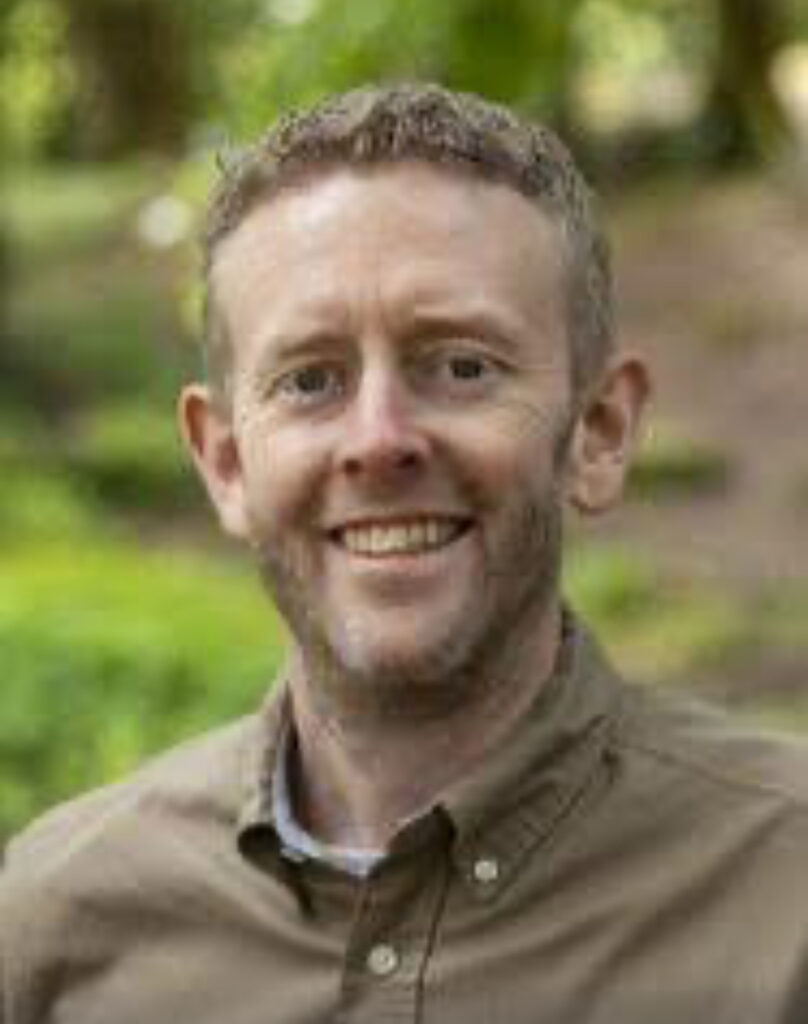
The Rochester community is mourning the heartbreaking loss of 33-year-old Michael Hastings, whose life was tragically cut short in a pedestrian crash on Route 390. News of his death has stirred deep sadness and frustration across the region, as friends, family, and community members try to process yet another young life lost. Before the headlines and public conversations, Michael was a son, a friend, and a human being whose life mattered far beyond the circumstances of his final moments.
Gates Police identified Hastings after he was struck and killed while on the highway. The fatal collision left many devastated, especially those who knew him personally and remembered the pieces of his life that do not make it into reports. His death stands as a painful reminder of how fragile life is and how quickly tragedy can change the lives of everyone connected to it.
Michael’s journey was not without hardship. Police confirmed he had been arrested 19 times since 2019—an element of his past that has drawn public attention and stirred debate following his death. But to those who loved him, Michael was far more than those numbers. He was someone with dreams, with challenges he tried to overcome, and with people who cared deeply about him. His life contained struggles, but also moments of hope, humor, and connection that shaped who he was beyond the difficult chapters.
In response to the tragedy, the Gates Police Chief delivered a powerful statement: “We need change, and we need that change now.” His words reflect growing concerns about the systems and crises that often surround individuals like Michael—mental health issues, instability, lack of support, and the gaps in structures meant to help those in need. The Chief’s comments highlight not only the urgency for reform but the broader meaning behind Michael’s story, which now serves as a call for action and reflection within the community.
Yet amid calls for change, many are pausing simply to remember Michael as a person. Loved ones recall his laugh, his habits, his moments of kindness, and the times he genuinely wanted to improve his life. They remember holidays he attended, the days he was absent but missed, and the hope they held for his future. These private memories carry weight far beyond any headline.
As Rochester grieves, Michael’s death is prompting deeper conversations about compassion, support, and accountability. Those who mourn him hope the community will look past the statistics and see the human being behind them—a man deserving of dignity, understanding, and remembrance.